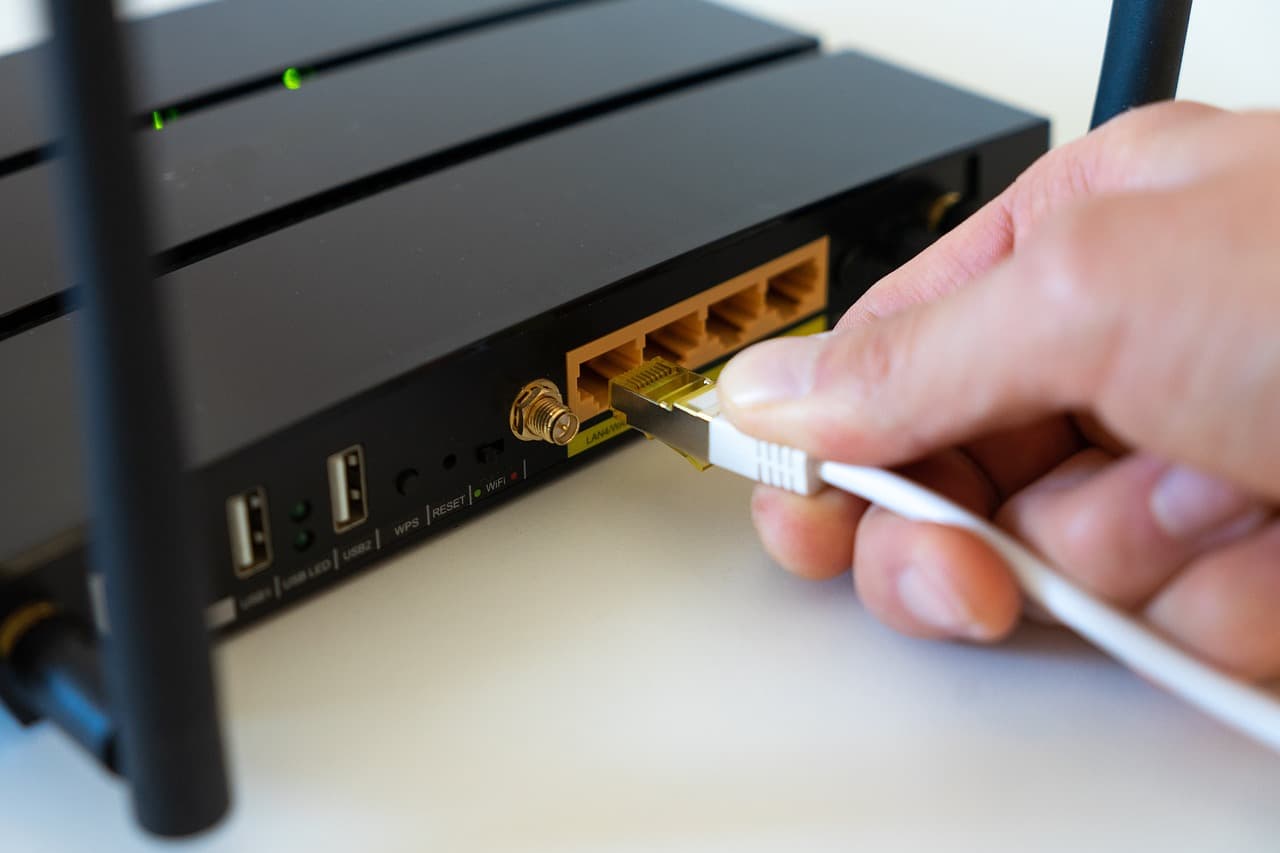
On 30 July 2026, CISA published advisory ICSA-26-211-01 covering CVE-2026-14227, a session-handling flaw in the MikroTik RouterOS API. The reported consequence is specific enough to matter to anyone self-hosting a tunnel: the router's WireGuard private key can be read in plaintext by an API session that should not have that level of access.
Most coverage stopped at the headline. The part that decides what you should actually do is further down.
What the flaw is
The RouterOS API service listens on TCP 8728 unencrypted and 8729 over TLS. The vulnerability is classed as Insufficient Session Expiration: active sessions retain the permission set they held when they were opened, so downgrading a user's rights or letting a session time out does not necessarily take effect on a connection that is already established.
The result is a privilege mismatch. A session that should have been demoted keeps reading configuration it should no longer see, and on a router terminating a WireGuard tunnel, that configuration contains the static private key.
A VPN changes your IP. It does not change your browser.
A tunnel replaces the address a service sees. It changes nothing about what your browser announces on its own - fonts, screen, time zone, graphics stack - and that combination is often stable enough to recognise you across sessions, tunnel or no tunnel.
Measure your own browser fingerprint - passive, no questions, no account, no email.
Why the score misleads
The published severity is moderate: CVSS 4.0 base 6.9, and CVSS 3.1 base 4.9 according to Rapid7's entry. Several outlets called it critical. That is not what the scoring says, and repeating the louder adjective would not help you.
But reading the number as the whole story is the opposite mistake. A CVSS score measures how hard something is to exploit and how far it reaches. It does not measure how permanent the consequence is. A medium-scored flaw that exposes a rotating session token is a bad afternoon. A medium-scored flaw that exposes a static cryptographic identity is a different category of problem, because the exposure does not age out.
The part that gets skipped: the key does not expire
This is the practical heart of it. In WireGuard, each peer holds a static key pair, and that identity is what the other side trusts. A password can be changed, a token expires, a session dies. A private key sitting in a router's configuration does none of those things by itself.
So the sequence people follow, disable the API, consider it handled, closes the door without changing the lock. If the key was readable while the API was exposed, disabling the API afterwards does not un-leak it. Rotation is the step that actually restores the trust relationship, and it is the one most often postponed because it means touching every peer.
What forward secrecy does and does not cover
It is worth being precise, because the phrase decryption of all associated traffic has been repeated widely and it is easy to read it as worse than it is.
WireGuard's handshake derives ephemeral session keys, which is what gives the protocol forward secrecy. An attacker holding your static private key, and nothing else, cannot retroactively decrypt traffic they captured earlier. That property is intact.
What the static key does give an attacker is identity. They can present themselves as that peer, complete handshakes, and intercept new sessions actively. In practice that means impersonation and active interception going forward, not a readable archive of the past. Serious, but a different threat, and the distinction changes your response: you are not doing damage assessment on old traffic, you are revoking an identity.
What to do, in order
Establish whether the API was reachable at all. If the service was disabled, or bound only to an interface an attacker could never touch, your exposure is theoretical. Check before you panic and before you rebuild anything.
Disable the API service if you do not need it. This is the workaround the advisory points to, and for a home or single-admin setup the API is frequently enabled without ever being used.
Log users out when you downgrade them. MikroTik's own guidance is that a user whose permissions are reduced must be fully logged out for the new policy to apply. That is worth writing into your process, not just doing once, because it is the behaviour the flaw exploits.
Rotate the keys if exposure was plausible. Generate a new key pair on the router, update every peer with the new public key, and remove the old one. It is the tedious step, and it is the only one that ends the exposure rather than pausing it.
Do not trust a version range you read second-hand. Reporting says all versions with the API enabled are affected; the Rapid7 entry does not state a range at all. Check your own device rather than deciding you are safe because a number in an article did not match yours.
The broader point for self-hosters
Running your own tunnel means the key lives on hardware you control, which is precisely the appeal and precisely the exposure. The security of a self-hosted VPN is the security of the box it runs on, and that includes management interfaces you forgot were listening.
That is not an argument against self-hosting; it is an argument for treating the management plane as part of the VPN. If you are auditing this on your own setup, our guide to WireGuard handshake troubleshooting covers reading peer state, and the self-hosted VPN glossary defines the terms used above.
The short version
CVE-2026-14227 scores medium and exposes something that does not expire. Check whether your API was reachable, disable it if you do not use it, log users out when their rights change, and rotate the key if exposure was plausible. Forward secrecy protects your past traffic; nothing protects an identity you leave in place after it has been read.
★ Nuremberg GDPR datacenter · ✓ Dedicated IPv4 included · 200+ Mbps guaranteed
Move the tunnel off the router, onto a box you administer → Contabo VPSA VPS separates the VPN from consumer router firmware and its management interfaces. Root access, predictable pricing, EU datacenters.→★ Nuremberg GDPR datacenter · ✓ Dedicated IPv4 included · 200+ Mbps guaranteed
Self-host your VPN on your own VPS → ContaboFull root access · public IPv4 · pick your region→

